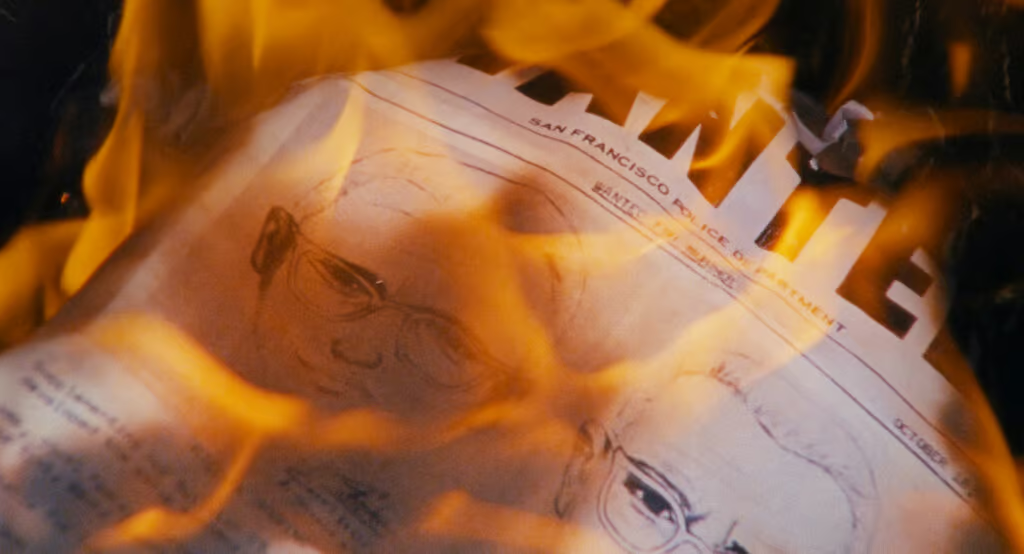
In 2020, the Chronicle called the Zodiac case “the most famous unsolved murder case in American history”. The undisclosed identity of this mythic killer combined with his playful narcissistic manipulation of local media in Vallejo, North Bay Area of San Francisco, in 1968-1969 compounds a miraculous cocktail for true crime aficionados.

Design. Build. Launch. No Code Needed.
From portfolio websites to full webshops – Elementor lets you build custom WordPress sites visually, fast and beautifully. Join 14M+ users who choose freedom, flexibility, and full design control.
And let’s face it: Not only aficionados, but a tremendous global cultural crowd who is drawn by this particular genre and its discourse. If you add tv documentary as a suffix to true crime you have an even more perfect cocktail. We simply revel in it.

The Easiest Way to Stay GDPR-Compliant
A hilarious, provocative, but also a bewildered yet structured love homage to the paradigm of true crime tv docs
The ingenious marvel of British documentary filmmaker Charley Shackleton’s “The Zodiac Killer Project” is its brutal starting-off premis and subsequent raison d’etre: The film can’t be made. Negotiations on freeing the copyrights on just another written biography on Zodiac were in promising progress, but suddenly they shut down. So, the film dies at birth.
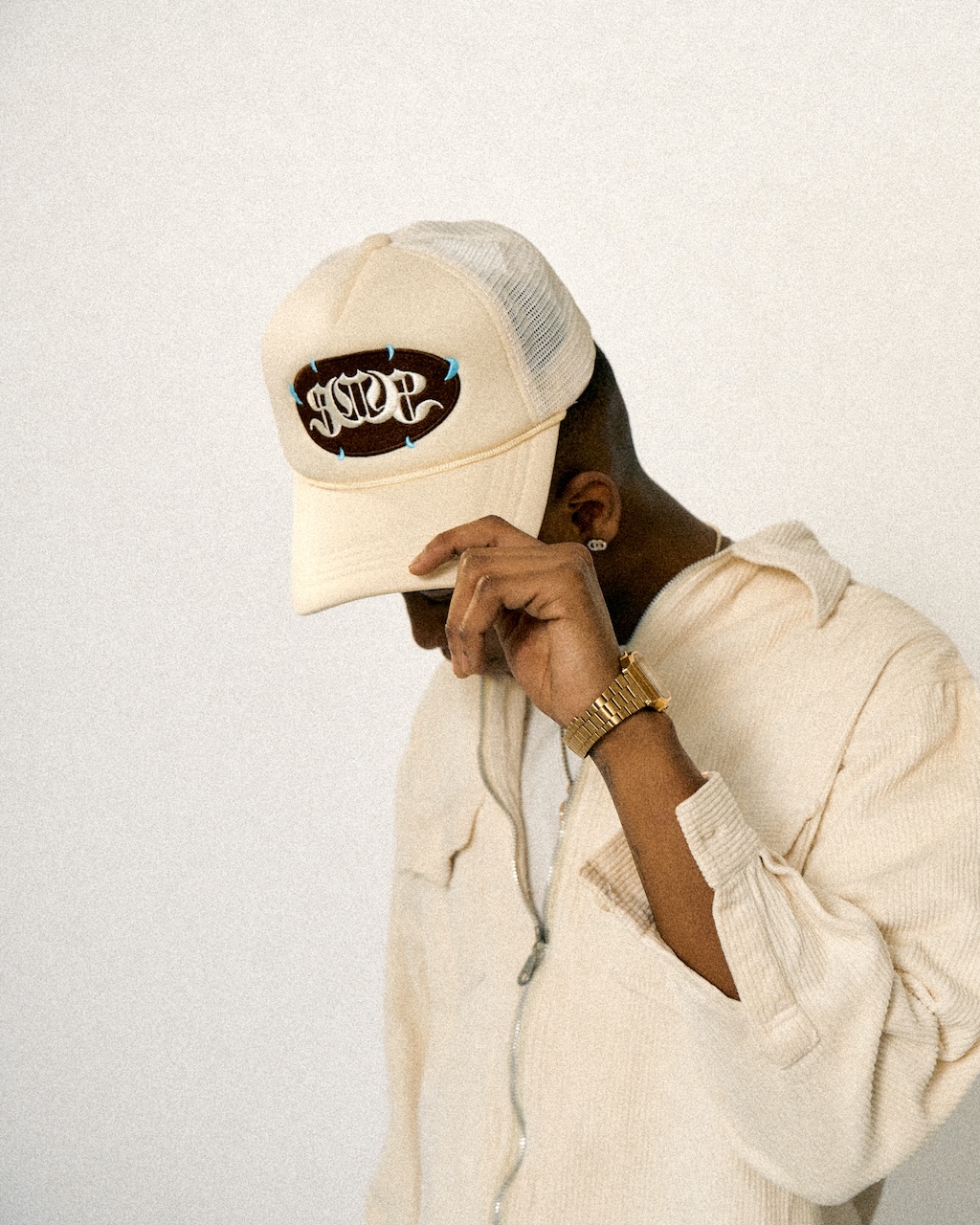
The Great U-Turn
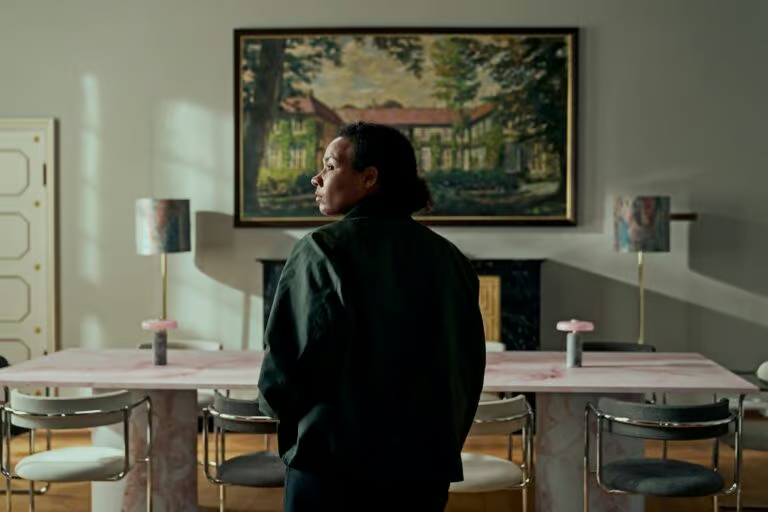
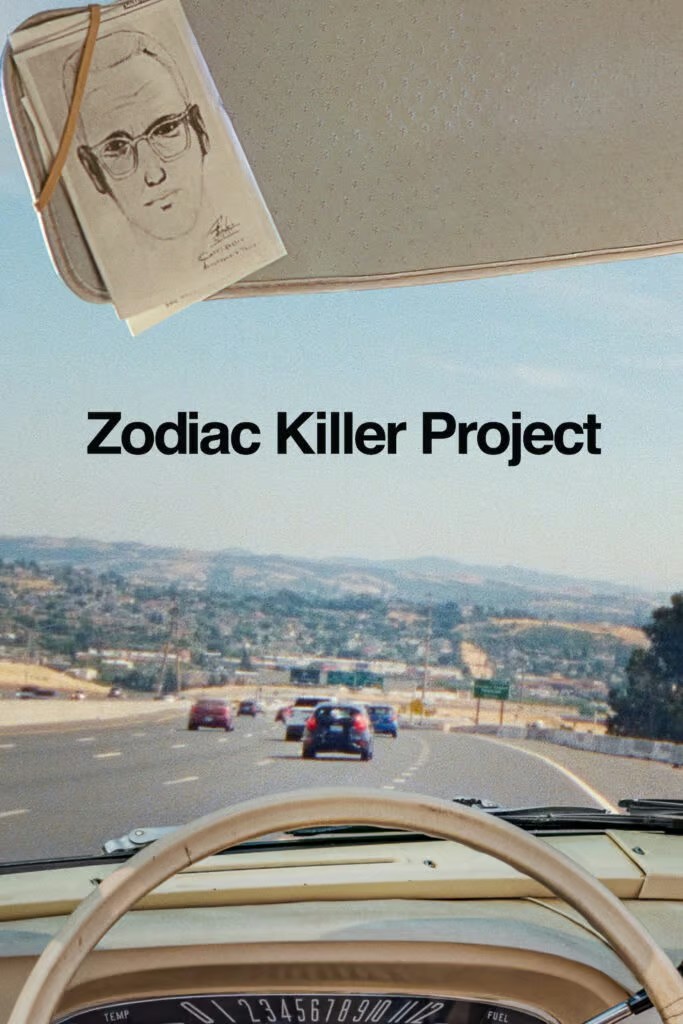
Shackleton is utterly disappointed. But instead of lamenting too long, he does a unpredicted turnaround and decides to tell us his vision and expected storyline for the film never made. In spoken details, using his own voice-over mounted unto scraped minimalist graphic backdrops and emptied locations. The result: A brilliant disruption, celebration and metagenre commentary.
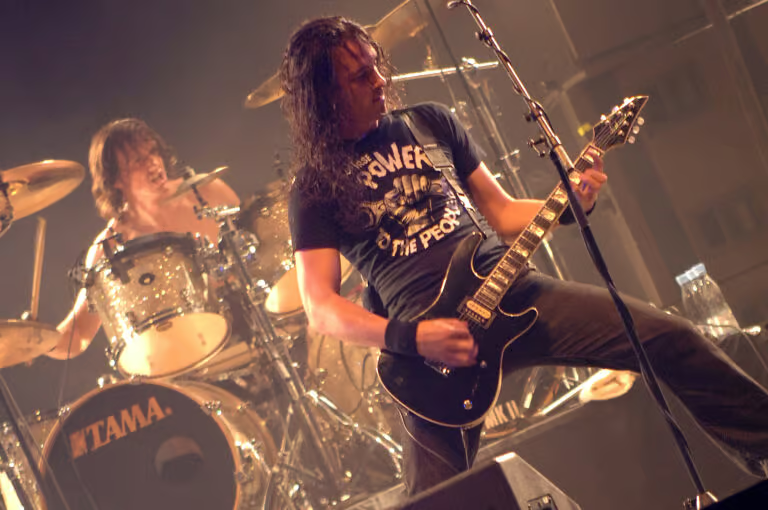
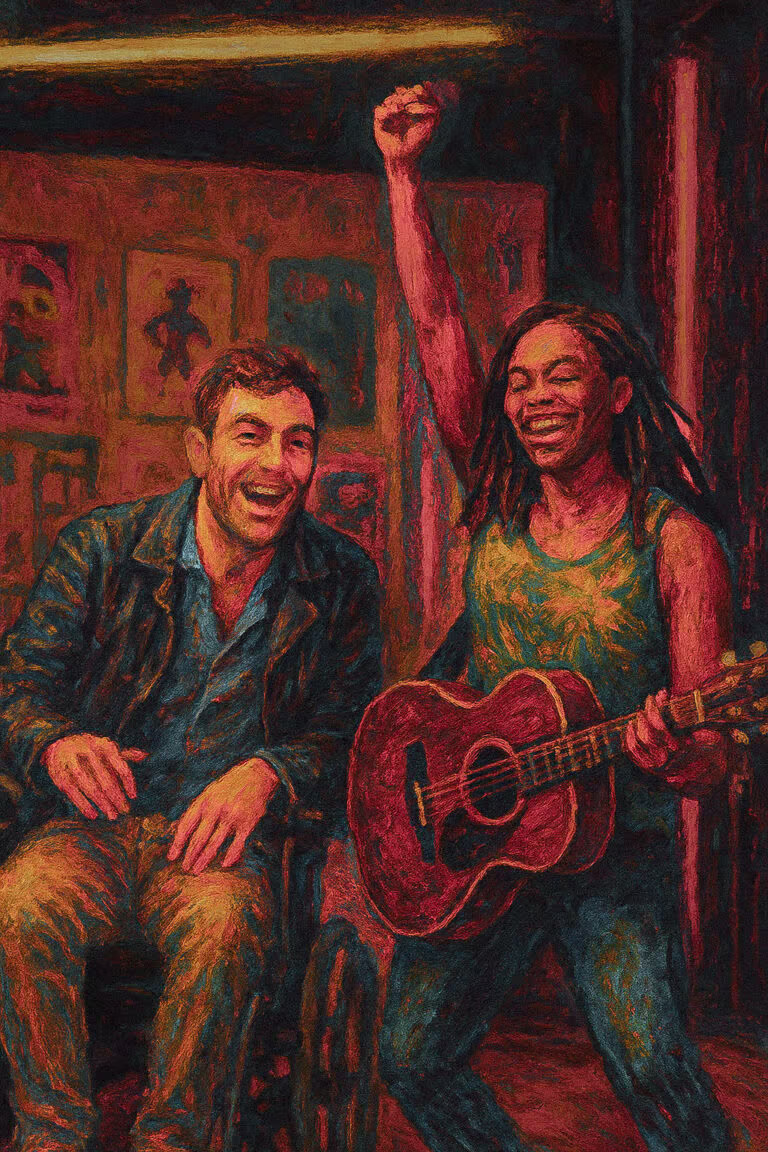
A hilarious, provocative, but also a bewildered yet structured love homage to the paradigm, aesthetics and impressively sustainable cliches of the genre. His observations on arch-typical graphic ouvertures and markups of standard genre closing chapters are sharp-cut and thought-provoking. In essence the purpose of all those floating layers of signs, motifs, small letters and blurred images is to mesmerise us and present us with more questions and doubts than answers. It works.
And this method can easily be remedied again at the end of the show – almost aligned 1:1 or in extended modification, stirring even more puzzles – especially in unsolved mystery cases. This deliberate method makes us feel privileged, like true detectives ourselves, just as good or even more clever and meticulous than the investigators we have witnessed and listened to during the show.
Behind the scenes
User reviews on “The Zodiac Project” on IMDb are interesting to observe – talk about a cultural clash: Very polarised ratings and comments, ranging from round applause to frowns of disbelief and insults from people who obviously can’t see the brilliant crux and points of the film.
“Zodiac Killer Project” pulls down the pants of a genre worshipped by a cultural tv-congregation of global scale
I do admit: The first 4-5 minutes feels like the very definition of an anticlimax leveling to somnambulism. Like a sleeping pill – but a fascination one, and it sets the necessary, totally void stage perfectly. Once the meta-pill kicks in, you are simply lured and drawn by the minimalist, intelligent, ostentatious stylistic narrative of “The Zodiac Project”.
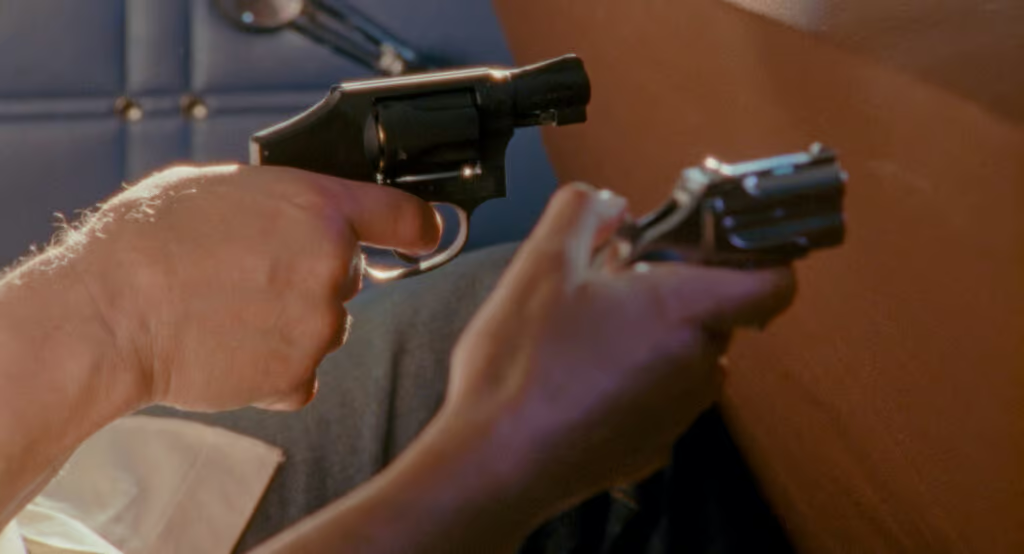
In fact, the film takes us behind the scenes, and pulls down the pants, of a genre not necessarily celebrated by critics, but worshipped by a cultural tv-congregation of global scale.